
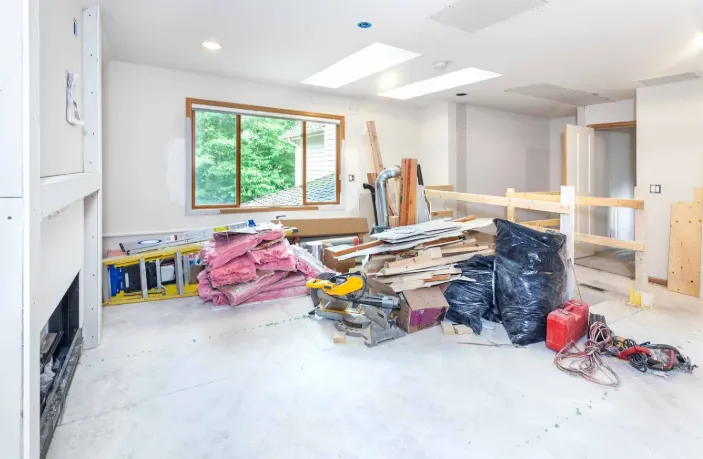
Interior commercial renovations generate a constant flow of debris from demolition through final finishes. Whether contractors are renovating office suites, retail stores, restaurants, medical facilities, or tenant spaces, waste management plays a major role in maintaining productivity and keeping projects on schedule. Unlike many new construction projects, commercial renovations often take place in existing buildings where space is limited and other businesses may remain operational nearby.
Without a structured debris management plan, materials can quickly accumulate in hallways, work areas, loading zones, and staging spaces. For contractors, efficient debris handling helps maintain organization, improve safety, and support smoother project execution throughout every phase of the renovation.
Why Commercial Renovations Create Unique Debris Challenges
Interior commercial projects often involve both demolition and construction activities occurring simultaneously. Old materials are removed while new systems, finishes, and fixtures are being installed. This creates multiple waste streams that must be managed effectively to prevent congestion.
Common debris includes drywall, ceiling materials, flooring, cabinetry, metal studs, insulation, packaging, fixtures, and general demolition waste. Because many commercial buildings have limited storage and staging space, debris can quickly become a logistical challenge if removal is not coordinated properly.
The problem becomes even more significant when multiple trades are working within the same area at the same time.
Planning Waste Removal Before Demolition Begins
One of the most effective ways to manage debris during a commercial renovation is to establish a disposal strategy before demolition starts. Contractors who plan ahead can avoid many of the bottlenecks that occur when waste begins accumulating faster than expected.
A comprehensive plan should address container placement, debris collection points, cleanup schedules, and routes for moving materials through the building. Contractors should also consider how waste removal will interact with deliveries, equipment movement, and occupied portions of the property.
Early planning creates a more organized project from the outset.
Establishing Centralized Collection Areas
Rather than allowing debris to build up in multiple locations throughout the renovation, many contractors create centralized collection points where waste can be staged before final disposal.
Many commercial renovation teams coordinate disposal through Waste Removal USA to help maintain organized debris handling throughout active projects. Centralized collection areas simplify cleanup procedures and make it easier to keep work zones clear as construction progresses.
This approach also helps reduce repeated handling of materials, which can improve overall efficiency.
Coordinating Debris Management Between Trades
Commercial renovation projects typically involve electricians, plumbers, HVAC contractors, drywall installers, painters, flooring specialists, and finish crews working in sequence or on overlapping schedules.
Without clear expectations, debris can easily accumulate between phases as crews focus on their specific tasks. Contractors who establish cleanup responsibilities early often experience fewer delays and smoother transitions between trades.
Consistent communication ensures that everyone understands how waste should be handled and where materials should be placed throughout the project.
Managing Demolition Debris Efficiently
The demolition phase usually generates the largest volume of waste during an interior commercial renovation. Removing walls, flooring, ceilings, fixtures, and outdated systems can produce significant amounts of debris in a relatively short period.
Prompt removal of demolition materials helps create cleaner workspaces and allows subsequent trades to begin their work more efficiently. Contractors who stay ahead of demolition debris often find it easier to maintain project momentum and avoid congestion in active work zones.
Keeping demolition waste under control sets the tone for the rest of the renovation.
Working Within Occupied Buildings
Many commercial renovations occur in buildings that remain partially occupied during construction. Office tenants, retail customers, healthcare staff, or other occupants may continue using portions of the property while renovation work is underway.
In these situations, debris management becomes even more important. Contractors must carefully control waste movement to avoid disrupting building operations and maintain safe access for occupants.
Maintaining clean pathways, limiting debris accumulation, and scheduling removal activities appropriately can help minimize disruption throughout the renovation process.
Protecting Common Areas and Access Routes
Commercial buildings often contain shared hallways, elevators, loading docks, and entrances that must remain functional during construction. Debris should never interfere with these areas.
Contractors typically establish designated routes for transporting waste through the building to reduce the risk of damage and maintain organized conditions. Consistent cleanup also helps protect finished surfaces and minimizes the spread of dust and debris into occupied spaces.
Protecting common areas contributes to both professionalism and project efficiency.
Scheduling Consistent Debris Removal
One of the most common mistakes during commercial renovations is allowing waste to accumulate until it becomes a major issue. Overflowing collection areas can slow production, create safety concerns, and complicate material deliveries.
Regular debris removal helps maintain cleaner workspaces and ensures crews have adequate room to perform their tasks. Contractors should monitor debris volume throughout the project and adjust removal schedules as activity levels change.
Consistent service helps keep the renovation moving forward without unnecessary interruptions.
Maintaining Safety Throughout the Project
Debris management and job site safety go hand in hand. Cluttered workspaces increase the likelihood of trips, falls, and other accidents, particularly in interior environments where multiple trades operate in close proximity.
Maintaining organized work areas helps improve visibility, preserve clear access routes, and reduce hazards associated with loose materials and equipment. Clean sites also allow workers to move more efficiently between tasks.
A strong debris management plan supports safer operations from demolition through project completion.
Adapting to Project Changes
Commercial renovations frequently evolve as construction progresses. Unexpected conditions, tenant requests, design changes, and hidden building issues can all affect debris volume and disposal needs.
Contractors who remain flexible are better able to adapt their waste management strategies when project conditions change. This may involve increasing disposal capacity, modifying collection areas, or adjusting cleanup schedules as needed.
Flexibility helps maintain organization even when the renovation scope shifts during construction.
Improving Productivity Through Better Organization
Efficient debris handling directly impacts productivity. Workers spend less time navigating cluttered spaces, relocating materials, or clearing work areas when waste is managed consistently.
An organized renovation site also improves coordination between trades and reduces delays that often occur when work zones become overcrowded. Better organization allows contractors to maintain smoother schedules and improve overall project performance.
The cumulative effect of these efficiencies can be significant over the course of a large renovation.
Creating a Professional Construction Environment
Property owners, tenants, and project stakeholders often judge a contractor by how well the job site is maintained. Clean, organized renovation projects create confidence and demonstrate strong project management.
Regular debris removal contributes to a more professional appearance while making inspections, walkthroughs, and client meetings easier to conduct. Maintaining orderly conditions throughout the project can also strengthen relationships with building owners and managers.
Professional presentation remains important throughout every phase of construction.
Managing debris during interior commercial renovations requires planning, coordination, and consistent execution. By establishing centralized collection areas, coordinating cleanup between trades, and maintaining regular waste removal schedules, contractors can keep renovation sites organized and productive.
When debris is handled efficiently, work areas remain safer, project schedules stay on track, and occupants experience less disruption. For contractors managing commercial renovation projects, effective debris management is an essential part of delivering successful results and maintaining professional construction operations.

Sharing heartfelt prayers, blessings, faith-filled quotes, messages, and wishes to spread hope, positivity, and God’s love every day.