
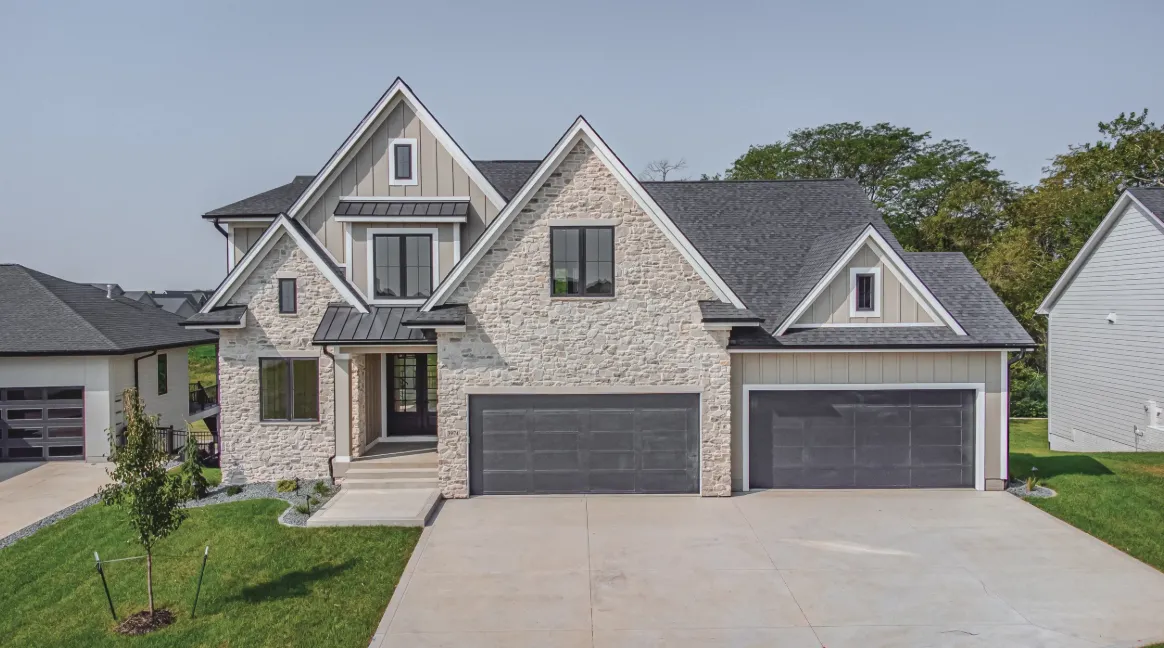
A custom home is one of the biggest investments most people will ever make. Choosing the right builder affects everything from project quality and communication to timelines and long-term satisfaction. With several companies offering similar services, knowing what to compare can make the decision much easier. This article explains five practical tips to help you choose a custom home builder in Des Moines who aligns with your goals, budget, and expectations.
1. Review the Builder’s Experience and Project Portfolio
Experience provides valuable insight into a builder’s ability to manage different types of residential construction projects. Homeowners comparing a commercial and residential builder in Des Moines may review completed homes, construction quality, design styles, and years of local experience before making a decision. A portfolio also helps determine whether the builder has experience with projects similar to your vision.
Builders working in the Des Moines area should also be familiar with local permitting requirements, seasonal construction conditions, zoning regulations, and municipal building codes. This local knowledge helps keep projects on schedule while reducing the risk of avoidable delays or compliance issues. It also allows builders to anticipate regional construction challenges and plan more effectively throughout the project.
2. Understand the Design and Planning Process
Every custom home begins with careful planning before construction starts. Builders in Des Moines should clearly explain how they handle design consultations, budgeting, floor plan development, permits, engineering, and project scheduling. Understanding each step reduces confusion and helps establish realistic expectations. Ask how design revisions are handled and whether the builder works with architects, designers, or in-house planning teams. Clear communication during the planning stage helps minimize costly changes after construction begins.
3. Evaluate Construction Quality and Materials
Construction quality depends on more than attractive finishes. The materials used, framing methods, insulation, roofing systems, windows, and mechanical installations all contribute to the home’s long-term durability and energy efficiency. Asking questions about construction standards helps homeowners understand the value behind the finished product. Homeowners may also ask how quality inspections are performed during construction to ensure each stage meets local building standards. Reviewing energy-efficient building practices and inspection procedures provides additional confidence before construction begins.
4. Compare Communication and Project Management
Successful custom home projects rely on regular communication between homeowners and builders. Understanding how updates are provided, who serves as the primary contact, and how schedule changes are communicated helps reduce uncertainty throughout construction. Many builders also provide online client portals, progress photos, and scheduled site meetings to keep homeowners informed throughout the project.
Consider asking:
- How frequently will project updates be provided?
- Who will manage day-to-day construction activities?
- How are design changes or unexpected issues communicated?
- Are online client portals, progress photos, or scheduled site meetings available?
Open communication helps homeowners stay informed from groundbreaking through the final walkthrough.
5. Confirm Warranty Coverage and Long-Term Support
A builder’s relationship with the homeowner should continue after construction is complete. Warranty coverage, post-construction inspections, and procedures for addressing warranty requests all provide insight into long-term customer support. Reviewing these details before signing a contract helps avoid misunderstandings later.
Professional builders also coordinate subcontractors, inspections, permitting, scheduling, and quality control throughout construction. For example, homeowners evaluating a commercial and residential builder in Des Moines can compare warranty programs, construction processes, communication practices, and post-completion support before selecting a builder. Looking beyond price alone usually leads to greater long-term value.
Choosing a custom home builder in Des Moines requires careful evaluation of experience, planning, construction quality, communication, and long-term support. Taking time to compare these areas helps homeowners make informed decisions before construction begins. A thoughtful selection process increases confidence, supports a smoother building experience, and helps create a home that meets both current needs and future expectations.

Sharing heartfelt prayers, blessings, faith-filled quotes, messages, and wishes to spread hope, positivity, and God’s love every day.