
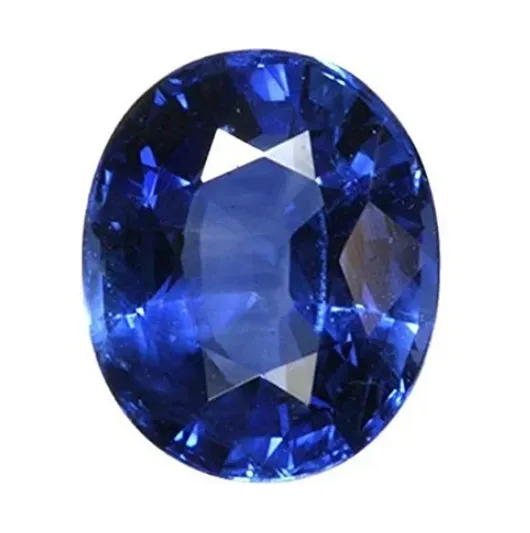
Blue sapphire has fascinated gemstone enthusiasts, collectors, and spiritual seekers for centuries. Known for its captivating blue color, exceptional durability, and astrological significance, it remains one of the most sought-after gemstones in the world. Whether purchased for jewelry, investment, or Vedic purposes, understanding how to evaluate its quality is essential. Factors such as color, origin, certification, clarity, and treatment status all play a role in determining the blue sapphire stone price, making informed evaluation a crucial step before purchase.
Understanding Blue Sapphire and Its Appeal
Blue sapphire, also known as Neelam in Vedic traditions, belongs to the corundum mineral family. Ranking 9 on the Mohs hardness scale, it is second only to diamond in durability, making it highly suitable for everyday wear.
Historically, blue sapphires have been associated with royalty, wisdom, discipline, and protection. In Vedic astrology, they are linked to Saturn (Shani) and are often recommended by experts after detailed astrological analysis.
However, not all blue sapphires possess the same value. Significant differences in quality can lead to substantial variations in market pricing.
The Importance of Certification
One of the first factors to consider when evaluating a blue sapphire is certification.
A reputable gemological laboratory certificate confirms:
- Natural origin
- Weight and dimensions
- Treatment status
- Species identification
- Authenticity
Certification provides confidence that the gemstone has undergone professional examination and is accurately represented by the seller.
Without certification, buyers may face difficulties verifying authenticity and assessing true value.
Color: The Most Important Value Factor
Color is often considered the single most important characteristic of a blue sapphire.
1. Hue
The finest sapphires display a pure blue hue without excessive secondary tones such as gray, green, or violet.
2. Tone
Tone refers to how light or dark the gemstone appears. The most valuable sapphires typically possess a medium to medium-dark tone that allows excellent color visibility without appearing too dark.
3. Saturation
Strong, vivid saturation generally increases desirability and value. Highly saturated stones often display greater visual impact and rarity compared to pale or washed-out specimens.
Evaluating Clarity
Unlike diamonds, blue sapphires naturally contain inclusions formed during their geological development.
Common inclusions include:
- Needle-like structures
- Mineral crystals
- Growth patterns
- Fingerprint inclusions
A gemstone with fewer visible inclusions generally commands a higher value. However, completely flawless natural sapphires are extremely rare.
In many cases, certain inclusions can even help gemologists verify natural origin.
Assessing Cut Quality
The cut of a sapphire significantly influences its beauty and value.
A well-cut gemstone should:
- Maximize brilliance
- Display even color distribution
- Minimize windowing
- Enhance overall symmetry
Poor cutting can reduce visual appeal, even if the sapphire possesses excellent color and clarity.
Experienced gem cutters carefully balance weight retention with optimal appearance to achieve the best results.
Carat Weight and Rarity
Larger sapphires are generally rarer and more valuable. However, value does not increase proportionally with size alone. A smaller sapphire with exceptional color and clarity may be worth more than a larger stone with visible flaws.
When comparing gemstones, buyers should evaluate:
- Weight
- Color quality
- Clarity
- Certification
- Overall appearance
This comprehensive approach provides a more accurate understanding of value.
The Role of Origin
The geographical origin of a blue sapphire can influence market demand.
Some of the most recognized sources include:
1. Kashmir
Kashmir sapphires are famous for their velvety blue appearance and rarity.
2. Sri Lanka
Sri Lankan sapphires often exhibit excellent brilliance and attractive color ranges.
3. Myanmar
Known for producing high-quality gemstones with rich color characteristics.
4. Madagascar
An increasingly important source of fine-quality sapphires in the global market.
Although origin can affect value, quality characteristics remain more important than location alone.
Understanding Heat Treatment
Most blue sapphires available in the market undergo heat treatment to improve color and clarity.
Heat treatment is widely accepted within the gemstone industry when properly disclosed.
However, unheated sapphires are considerably rarer and often command premium prices due to their natural condition.
When evaluating a gemstone, always review laboratory certification to determine treatment status.
Market Demand and Pricing Factors
The gemstone market is influenced by changing consumer preferences, availability, and global demand.
This is why understanding factors beyond appearance is important when assessing value.
Professionals evaluating the blue sapphire stone price typically consider:
- Certification quality
- Origin documentation
- Treatment disclosure
- Market rarity
- Color grading
- Cut precision
These combined factors provide a more accurate estimate of a gemstone’s true market worth.
Astrological Considerations
For individuals purchasing blue sapphire for astrological purposes, quality evaluation often extends beyond gemological characteristics.
Many practitioners emphasize:
- Natural origin
- Minimal treatments
- Strong transparency
- Appropriate weight
- Proper energization rituals
Because blue sapphire is considered one of the most powerful astrological gemstones, consultation with a qualified expert is often recommended before wearing it.
Questions to Ask Before Buying
Before purchasing a certified blue sapphire, consider asking:
1. Is the Stone Natural?
Natural gemstones generally carry greater value than synthetic alternatives.
2. Is There a Laboratory Certificate?
Always request certification from a recognized gemological laboratory.
3. Has the Stone Been Treated?
Understanding treatment history helps determine market value.
4. What Is the Return Policy?
A transparent seller should provide clear purchasing policies.
5. Can the Origin Be Verified?
Origin documentation can add confidence and support value assessment.
Why Ethical Sourcing Matters
Modern buyers increasingly prioritize ethical sourcing and responsible mining practices.
Responsible sourcing helps support:
- Environmental stewardship
- Fair Labor Standards
- Supply chain transparency
- Sustainable gemstone production
Choosing ethically sourced gemstones contributes to greater accountability within the global gemstone industry.
Conclusion
Evaluating a certified blue sapphire requires careful consideration of color, clarity, cut, carat weight, certification, origin, treatment status, and ethical sourcing practices. Understanding these factors allows buyers to make informed decisions while selecting a gemstone that offers both beauty and long-term value. For those seeking a certified blue sapphire gemstone in Bangalore, prioritizing authenticity and expert guidance can significantly enhance the buying experience.
In this context, Rudratree has built a reputation for offering authentic spiritual products, certified gemstones, and traditional Vedic guidance. Established in 1923, the organization combines decades of expertise with a commitment to quality sourcing and customer education. Its focus on authenticity, certification, and personalized consultation has made it a trusted destination for gemstone seekers and spiritual practitioners alike.

Sharing heartfelt prayers, blessings, faith-filled quotes, messages, and wishes to spread hope, positivity, and God’s love every day.