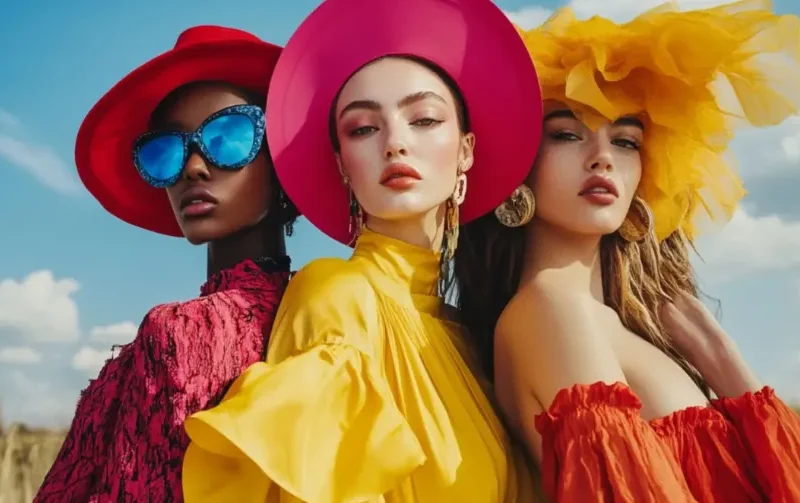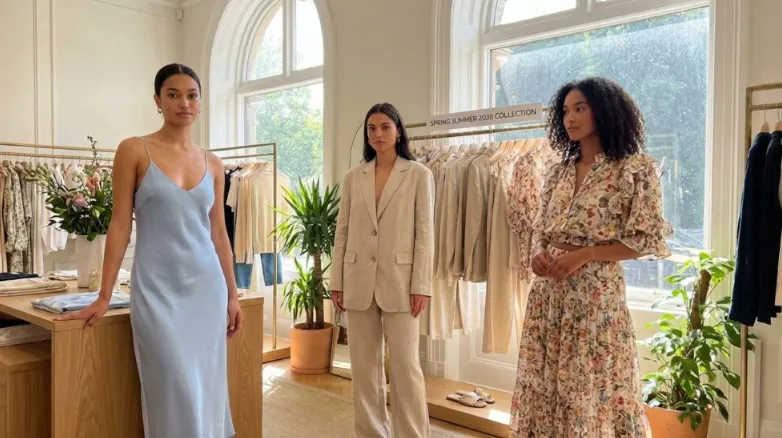

Fashion has always reflected culture, technology, and lifestyle. Over the last two decades, one major force has transformed the fashion industry more than ever before: online shopping. The rise of e-commerce has completely changed how people discover, buy, and experience fashion. From luxury brands to small boutiques, businesses now rely heavily on digital platforms to reach customers worldwide. Consumers can browse thousands of products from the comfort of their homes, compare prices instantly, and follow the latest fashion trends with just a few clicks.
Online shopping has not only changed consumer behavior but has also influenced fashion design, marketing, sustainability, and global trends. In this article, we will explore how online shopping changed fashion and why it continues to shape the future of the industry.
The Rise of Online Fashion Shopping
Before the internet became widely accessible, people mostly purchased clothes from physical stores and shopping malls. Customers had limited choices based on local availability, and fashion trends spread more slowly. However, the development of e-commerce websites like Amazon, eBay, ASOS, and later fashion-focused platforms such as Zara, Shein, and Fashion Nova revolutionized the shopping experience.
Today, online fashion shopping is one of the largest segments in global e-commerce. Consumers can access countless brands, styles, and price ranges anytime and anywhere. Smartphones and mobile apps have made shopping even easier, allowing users to buy clothes instantly through social media ads, influencer recommendations, and online stores.
This convenience has significantly increased the popularity of online fashion retail.
Greater Access to Global Fashion Trends
One of the biggest changes brought by online shopping is global accessibility. In the past, fashion trends often stayed limited to certain countries or cities. Now, consumers can follow international styles in real time.
Social media platforms like Instagram, TikTok, and Pinterest play a major role in spreading fashion trends worldwide. When celebrities or influencers wear a particular style, millions of people can instantly search for similar products online. Fashion brands quickly adapt to these trends and launch new collections faster than ever.
As a result, fashion has become more connected globally. Consumers in different countries can wear similar styles regardless of geographical boundaries.
Fast Fashion Became More Powerful
Online shopping has fueled the growth of fast fashion brands. Fast fashion refers to inexpensive clothing produced quickly to match current trends. Brands like Shein, H&M, and Boohoo have mastered online retail strategies that allow them to release hundreds of new products every week.
With advanced data analysis, these companies track consumer preferences, trending styles, and shopping behavior. They can quickly manufacture and market products based on demand. Customers constantly see fresh designs online, encouraging frequent purchases.
This rapid cycle has changed how people consume fashion. Instead of buying seasonal collections, many shoppers now purchase trendy items regularly at lower prices.
Personalized Shopping Experience
Another major impact of online shopping on fashion is personalization. E-commerce websites use artificial intelligence (AI) and algorithms to recommend products based on customer interests, browsing history, and previous purchases.
For example, if someone searches for sneakers or jackets online, they will later see similar products recommended across websites and social media platforms. Personalized suggestions improve the shopping experience and increase customer satisfaction.
Many online stores also offer virtual fitting tools, style recommendations, and AI-powered fashion assistants. These technologies help consumers make better purchasing decisions without visiting physical stores.
Social Media Influencers Changed Fashion Marketing
Traditional fashion advertising relied heavily on magazines, television, and runway shows. Online shopping introduced a new marketing strategy through social media influencers.
Fashion influencers on Instagram, YouTube, and TikTok have become powerful voices in the industry. Millions of followers trust their style advice and product recommendations. Brands collaborate with influencers to promote clothing collections, accessories, and beauty products.
This influencer-driven marketing approach has made fashion more interactive and accessible. Consumers no longer rely only on professional models or celebrities. Instead, they connect with relatable content creators who showcase everyday fashion styles.
As a result, online shopping and social media have created a strong connection between digital marketing and fashion trends.
Small Businesses and Independent Designers Gained Opportunities
Online shopping has also benefited small fashion businesses and independent designers. Previously, launching a clothing brand required large investments in physical stores, inventory, and marketing.
Today, entrepreneurs can create online shops through platforms like Shopify, Etsy, and Instagram. They can reach customers globally without owning a physical retail location. Digital advertising and social media marketing allow smaller brands to compete with established companies.
This shift has increased diversity in fashion by giving creative designers more opportunities to showcase unique styles and products.
Customer Reviews Influence Fashion Purchases
Customer reviews have become an important part of online fashion shopping. Before buying clothes online, many shoppers read ratings, reviews, and product feedback from other customers.
These reviews help consumers evaluate product quality, sizing, comfort, and overall satisfaction. Honest customer experiences often influence buying decisions more than traditional advertisements.
Fashion brands now focus heavily on maintaining positive online reputations. High-quality products, reliable shipping, and good customer service are essential for success in the digital fashion market.
Challenges Created by Online Fashion Shopping
Although online shopping has transformed fashion positively, it has also created several challenges.
Increased Return Rates
One common issue is product returns. Customers cannot physically try on clothes before purchasing, leading to sizing problems and dissatisfaction. Many online retailers face high return rates, which increase shipping costs and environmental waste.
Environmental Concerns
Fast fashion and online shopping contribute to environmental problems. Excessive production, packaging waste, and transportation emissions negatively impact sustainability. Many consumers now demand eco-friendly fashion options and ethical business practices.
Counterfeit Products
The growth of online marketplaces has also increased counterfeit fashion products. Some fake items imitate luxury brands and mislead customers. Buyers must carefully choose trustworthy websites and verified sellers.
Technology Continues to Shape Fashion
Technology continues to influence the future of online fashion shopping. Artificial intelligence, augmented reality (AR), and virtual reality (VR) are creating more advanced shopping experiences.
Virtual fitting rooms allow users to see how clothes look on their bodies digitally. AI-powered chatbots assist customers instantly. Some brands even use blockchain technology to verify product authenticity.
Additionally, live shopping events and interactive online experiences are becoming more popular. These innovations will likely make fashion shopping more engaging and personalized in the future.
The Future of Fashion and Online Shopping
The relationship between fashion and online shopping will continue growing stronger. Younger generations prefer digital shopping experiences because they value convenience, speed, and variety.
Fashion brands must adapt to changing consumer expectations by offering mobile-friendly websites, fast delivery, personalized recommendations, and sustainable practices. Businesses that fail to embrace digital transformation may struggle to compete in the modern fashion industry.
At the same time, consumers are becoming more aware of ethical fashion and environmental responsibility. This awareness may encourage brands to adopt more sustainable production methods while maintaining the convenience of online shopping.
Conclusion
Online shopping has completely transformed the fashion industry. It has changed how people discover trends, purchase clothing, and interact with brands. From personalized recommendations and influencer marketing to global accessibility and fast fashion, digital technology has reshaped every aspect of fashion retail.
While online shopping offers convenience and endless choices, it also creates challenges related to sustainability, product quality, and overconsumption. As technology continues evolving, the fashion industry must balance innovation with ethical and environmental responsibility.
There is no doubt that online shopping will remain a major driving force in fashion for years to come. The digital revolution has permanently changed the way the world experiences style and fashion.
See Also: How Fashion Reflects Personality

Sharing heartfelt prayers, blessings, faith-filled quotes, messages, and wishes to spread hope, positivity, and God’s love every day.