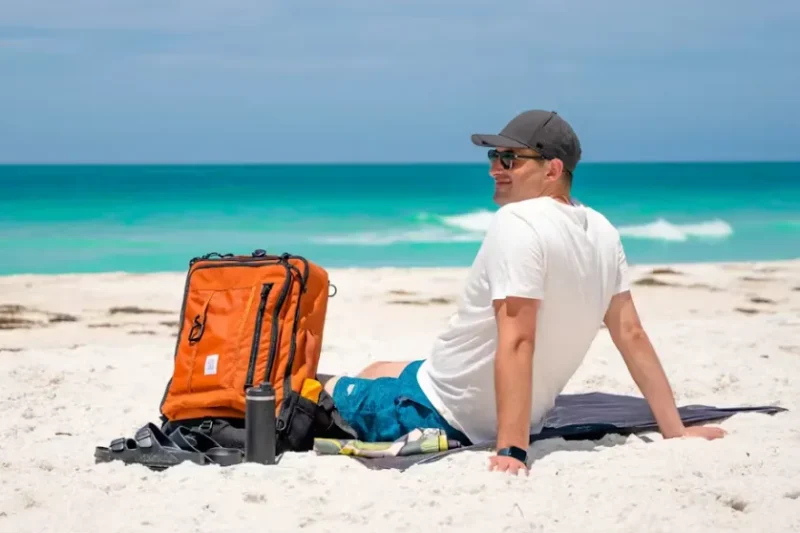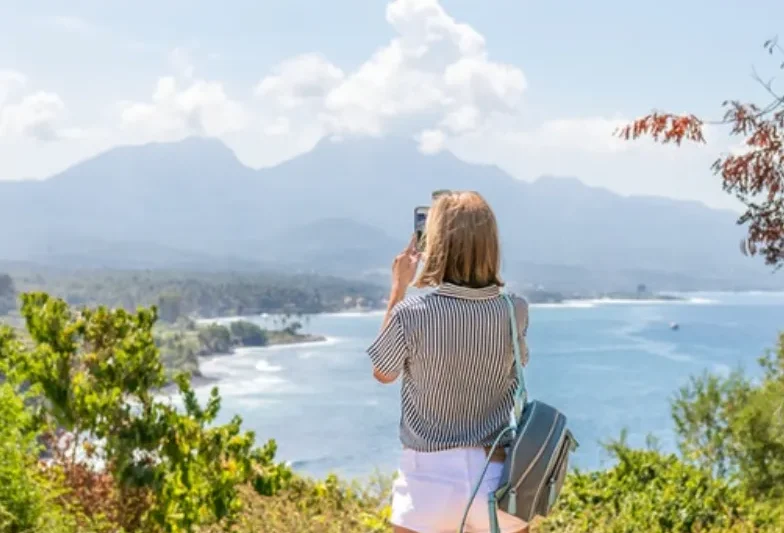

Traveling is one of the most exciting ways to explore the world, experience different cultures, and create unforgettable memories. Whether you are planning a solo trip, family vacation, business journey, or backpacking adventure, safety should always remain your top priority. Knowing the right travel safety tips can help you avoid unnecessary risks and enjoy a smooth travel experience.
In this article, you will discover practical and effective travel safety tips that every traveler should follow before and during their trip.
Why Travel Safety Matters
Travel safety is essential because unexpected situations can happen anywhere in the world. From lost luggage and scams to medical emergencies and theft, travelers often face challenges in unfamiliar environments. Being prepared can reduce stress and protect both your belongings and personal well-being.
Safe travel not only helps you avoid problems but also gives you confidence to explore new destinations freely.
1. Research Your Destination Thoroughly
One of the best travel safety tips is to learn about your destination before departure. Research helps you understand local customs, laws, weather conditions, transportation systems, and potential safety concerns.
Important things to research:
- Crime rates in tourist areas
- Local emergency numbers
- Cultural rules and dress codes
- Safe neighborhoods
- Transportation options
- Political or weather-related alerts
Visit official government travel advisory websites for updated safety information.
2. Keep Copies of Important Documents
Losing your passport or travel documents can quickly turn into a nightmare. Always make copies of essential documents before traveling.
Documents to copy:
- Passport
- Visa
- Travel insurance
- Flight tickets
- Hotel reservations
- Driver’s license
- Emergency contacts
Store digital copies in secure cloud storage and keep printed copies separately from the originals.
3. Buy Travel Insurance
Travel insurance is one of the smartest investments for any trip. It can protect you financially in case of medical emergencies, trip cancellations, theft, or lost baggage.
A good travel insurance plan should cover:
- Emergency medical expenses
- Trip interruptions
- Lost or stolen belongings
- Emergency evacuation
- Flight delays
Never travel internationally without proper insurance coverage.
4. Stay Aware of Your Surroundings
Being alert is one of the simplest yet most effective travel safety habits. Tourists can become easy targets for pickpockets and scammers because they are often distracted.
Safety awareness tips:
- Avoid using your phone constantly in crowded areas
- Watch your belongings carefully
- Trust your instincts
- Avoid isolated streets at night
- Stay alert in public transportation hubs
Situational awareness can prevent many common travel problems.
5. Protect Your Money and Valuables
Carrying large amounts of cash is risky while traveling. Instead, use a combination of payment methods.
Smart money safety tips:
- Use credit cards when possible
- Keep emergency cash hidden separately
- Use anti-theft bags
- Avoid displaying expensive jewelry or gadgets
- Use hotel safes for valuables
A money belt or hidden pouch can provide extra security.
6. Use Reliable Transportation
Transportation safety is crucial, especially in unfamiliar countries. Scams involving taxis and unofficial transportation are common in tourist destinations.
Safe transportation tips:
- Use licensed taxis or rideshare apps
- Verify driver information before entering a vehicle
- Avoid traveling alone late at night
- Share your ride details with someone you trust
- Research local transportation scams
When renting a car, always inspect the vehicle and understand local traffic laws.
7. Stay Connected with Family or Friends
Keeping loved ones informed about your travel plans is important for your safety.
Share these details:
- Flight information
- Hotel addresses
- Daily itinerary
- Emergency contact numbers
Regular communication helps others know where you are in case of emergencies.
8. Be Careful with Public Wi-Fi
Free public Wi-Fi networks can expose your personal information to hackers. Cybersecurity is now an important part of travel safety.
Digital safety tips:
- Avoid online banking on public Wi-Fi
- Use a VPN for secure browsing
- Enable two-factor authentication
- Keep devices password protected
- Avoid charging devices at unknown USB stations
Protecting your digital data is just as important as protecting your physical belongings.
9. Pack a Basic First Aid Kit
Health issues can arise unexpectedly during travel. Carrying a small medical kit can help you handle minor problems quickly.
Essential first aid items:
- Pain relievers
- Bandages
- Antiseptic wipes
- Prescription medications
- Motion sickness tablets
- Hand sanitizer
If traveling internationally, check vaccination requirements beforehand.
10. Avoid Sharing Too Much on Social Media
Posting your live location publicly can sometimes create security risks. Criminals may target travelers who openly share their whereabouts.
Social media safety tips:
- Avoid posting real-time locations
- Share photos after leaving a destination
- Keep travel plans private
- Limit public profile visibility
Enjoy the moment instead of constantly updating social media.
11. Learn Basic Local Phrases
Learning a few local words can greatly improve communication and safety while traveling.
Useful phrases include:
- Help
- Emergency
- Police
- Hospital
- Thank you
- Where is…?
Locals often appreciate travelers who make an effort to communicate respectfully.
12. Trust Your Instincts
One of the most valuable travel safety tips is to trust your intuition. If something feels unsafe or suspicious, leave immediately.
Common warning signs:
- Aggressive strangers
- Poorly lit areas
- Unofficial tour operators
- Overly friendly scammers
- Unsafe accommodations
Your instincts are powerful tools for staying safe.
13. Choose Safe Accommodation
Your hotel or accommodation plays a major role in travel safety.
Accommodation safety checklist:
- Read recent reviews carefully
- Stay in reputable areas
- Use door locks and security features
- Avoid sharing room numbers publicly
- Keep valuables secured
Research accommodations thoroughly before booking.
14. Be Prepared for Emergencies
Unexpected emergencies can happen anywhere. Preparation can save valuable time and reduce panic.
Emergency preparation tips:
- Know local emergency numbers
- Identify nearby hospitals
- Keep emergency contacts accessible
- Have backup payment methods
- Understand evacuation routes
Prepared travelers handle crises more effectively.
15. Respect Local Laws and Customs
Ignoring local laws can lead to serious problems while traveling abroad.
Examples include:
- Dress code regulations
- Photography restrictions
- Alcohol laws
- Public behavior expectations
Respecting local culture helps you avoid conflicts and enjoy a better travel experience.
Final Thoughts
Traveling safely does not mean avoiding adventure. Instead, it means preparing wisely so you can enjoy every moment with peace of mind. By following these travel safety tips, you can reduce risks, protect your belongings, and stay confident throughout your journey.
From researching destinations and buying travel insurance to staying aware of scams and protecting your personal information, every small precaution contributes to a safer trip.
No matter where your travels take you, always prioritize safety first. Smart travelers are prepared travelers.
Safe travels and happy adventures!
Also Read About : Travel Packing Essentials: The Ultimate Guide for Stress-Free Trips

Sharing heartfelt prayers, blessings, faith-filled quotes, messages, and wishes to spread hope, positivity, and God’s love every day.