Designing a small space can be challenging, but the right color combinations can completely transform how a room looks and feels. Colors have the power to make compact rooms appear larger, brighter, and more inviting. Whether you are decorating a tiny apartment, a small bedroom, or a compact office, choosing the perfect color palette is one of the most important steps in home improvement.
In this guide, we’ll explore the best color combinations for small spaces, how colors affect room perception, and practical tips to maximize your interior design.
Why Color Matters in Small Spaces
Color plays a crucial role in interior design because it influences light, mood, and spatial perception. Light shades reflect natural and artificial light, creating an airy and open atmosphere. Dark shades, when used correctly, can add depth and sophistication without making a room feel cramped.
The best color combinations for small rooms focus on balance, harmony, and brightness. By combining complementary shades, you can create a stylish and spacious look even in limited square footage.
1. White and Soft Gray
One of the most popular color combinations for small spaces is white and soft gray. White walls reflect light and make rooms appear bigger, while soft gray adds warmth and elegance.
Why It Works
- Creates a clean and modern look
- Enhances natural lighting
- Makes small rooms feel open and uncluttered
Best Uses
- Living rooms
- Small kitchens
- Compact home offices
To avoid a sterile appearance, add textured furniture, wooden accents, or indoor plants.
2. Beige and Warm White
Beige and warm white create a cozy and welcoming atmosphere without overwhelming the space. This timeless combination works especially well in homes with limited natural light.
Benefits
- Adds warmth and comfort
- Creates a soft and relaxing environment
- Pairs well with wooden furniture
Design Tips
Use warm white for walls and beige for furniture or curtains. Add gold or bronze accents for a luxurious touch.
3. Light Blue and Crisp White
Light blue and white are excellent for making small rooms feel calm and airy. Blue tones mimic the sky and create an illusion of openness.
Ideal For
- Bedrooms
- Bathrooms
- Small studio apartments
Styling Suggestions
Combine light blue walls with white trim and minimalist décor. Mirrors can further enhance the spacious effect.
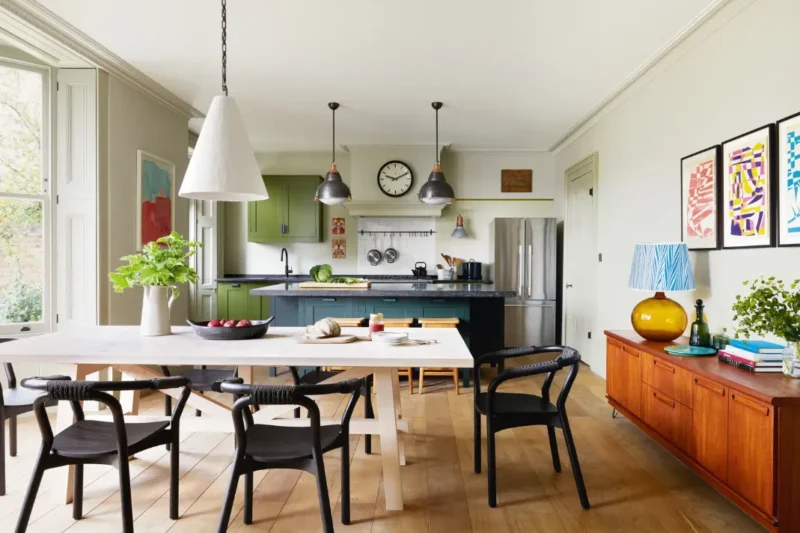
4. Sage Green and Cream
Sage green has become one of the top interior design trends because it introduces a refreshing and natural feel. When paired with cream, it creates a balanced and elegant color scheme for compact spaces.
Why Homeowners Love It
- Brings a calming effect
- Connects interiors with nature
- Works in modern and traditional homes
Best Applications
- Small dining rooms
- Reading corners
- Tiny kitchens
Natural textures like wicker baskets and wooden shelves complement this palette beautifully.
5. Pale Pink and Light Gray
Pale pink is no longer limited to children’s rooms. When combined with light gray, it creates a sophisticated and stylish interior perfect for smaller spaces.
Advantages
- Adds personality without overpowering the room
- Creates warmth and softness
- Works well with metallic accents
Pro Tip
Choose muted pink shades instead of bright tones to maintain an elegant appearance.
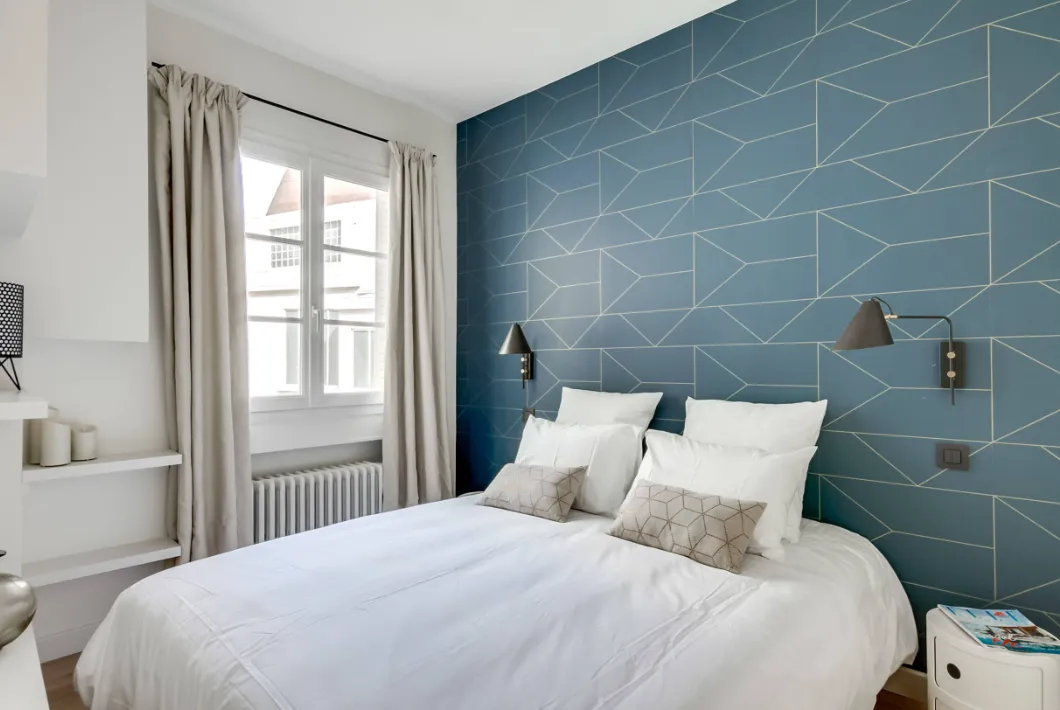
6. Navy Blue and White
While dark colors are often avoided in small spaces, navy blue can actually create depth when paired with white.
How It Helps
- Adds visual contrast
- Creates dimension
- Gives rooms a modern and luxurious look
Best Strategy
Use navy blue as an accent wall color while keeping the remaining walls white. This prevents the room from feeling enclosed.
7. Taupe and Soft Green
Taupe and soft green create a balanced earthy palette that feels both sophisticated and peaceful.
Perfect For
- Small bedrooms
- Home offices
- Apartments
Decorating Ideas
Add soft lighting and neutral textiles to enhance the cozy atmosphere.
8. Yellow and White
Yellow is an excellent choice for adding brightness and energy to compact rooms. Combined with white, it creates a cheerful and spacious environment.
Key Benefits
- Reflects light effectively
- Makes dark rooms feel brighter
- Adds warmth and positivity
Best Places to Use
- Small kitchens
- Breakfast nooks
- Entryways
Stick with pastel or buttery yellow shades instead of neon tones for a more refined appearance.
9. Charcoal Gray and Beige
For homeowners who prefer bold interiors, charcoal gray and beige offer a modern yet balanced look.
Why This Combination Works
- Beige softens the darkness of charcoal gray
- Adds depth without making rooms look smaller
- Creates a contemporary aesthetic
Design Advice
Use charcoal gray sparingly on accent furniture or one wall while keeping the majority of the room light.
10. Monochromatic Color Schemes
A monochromatic palette uses different shades of the same color. This technique is highly effective in small spaces because it creates visual continuity.
Popular Monochromatic Choices
- Light gray tones
- Beige variations
- Soft blue gradients
Benefits
- Reduces visual clutter
- Makes rooms appear larger
- Creates a cohesive design
Layering textures and materials prevents the room from looking flat or boring.
Tips for Choosing the Best Colors for Small Spaces
Use Light Colors on Walls
Light colors reflect more light, making rooms feel bigger and brighter. White, cream, pastel blue, and soft gray are excellent choices.
Add Contrast Carefully
Too much contrast can make a small room feel busy. Instead, use subtle contrasts through cushions, rugs, or accent walls.
Consider Natural Lighting
Rooms with plenty of natural light can handle slightly darker shades, while darker rooms benefit from lighter palettes.
Use Mirrors with Your Color Scheme
Mirrors amplify light and visually expand small rooms. Pairing mirrors with bright wall colors maximizes the spacious effect.
Keep Ceilings Light
Painting ceilings white or a lighter shade than the walls creates the illusion of height.
Avoid Overusing Dark Colors
Dark shades can make small spaces feel enclosed if overused. Balance them with lighter tones and reflective surfaces.
Trending Color Combinations for Small Spaces in 2026
Interior design trends continue evolving, and these color combinations are becoming increasingly popular:
- Soft terracotta and cream
- Dusty blue and beige
- Olive green and white
- Warm greige and ivory
- Muted lavender and gray
These modern palettes blend comfort, elegance, and functionality, making them perfect for contemporary small homes.
Final Thoughts
Choosing the best color combinations for small spaces can dramatically improve both style and functionality. The right palette creates the illusion of larger rooms, enhances natural light, and makes your home feel more comfortable.
Whether you prefer classic white and gray, calming sage green and cream, or bold navy blue accents, selecting harmonious colors is key to successful small-space design. Remember to balance light and dark tones, incorporate natural textures, and maintain visual consistency throughout the room.
Also Read About : Voice-Controlled Home Features You’ll Love

Sharing heartfelt prayers, blessings, faith-filled quotes, messages, and wishes to spread hope, positivity, and God’s love every day.